
3D printed
Efficiently, with minimal strain.
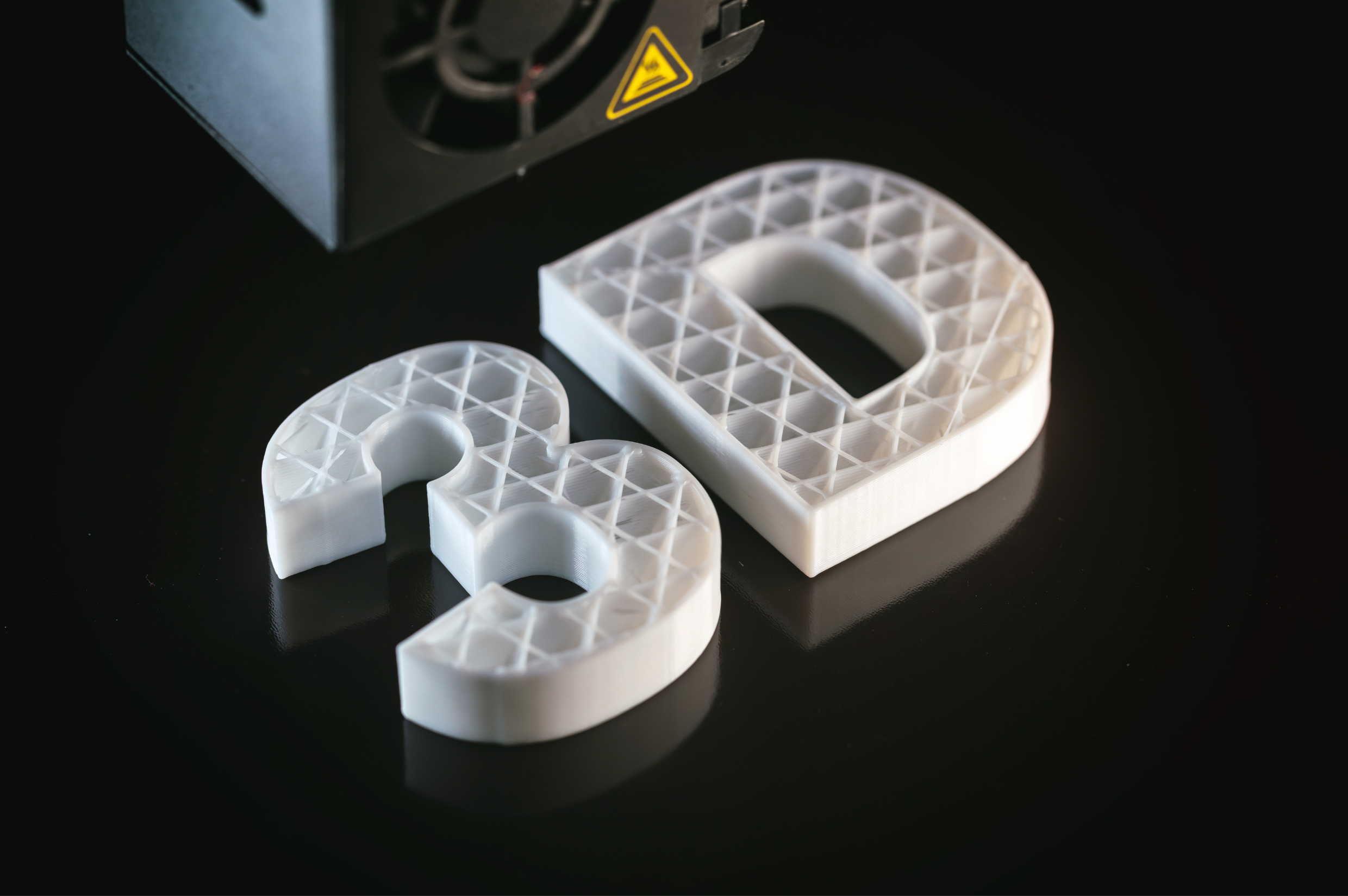
3D printers are increasingly being adopted in a wide range of settings, from workplaces to private homes and the ZO series is widely used as a tool for processing 3D printed objects.
Cuttable material
ABS, ASA, PET-G, PLA, Resin
Advantages of the ZO series
– Requires no physical strength.
– Capable of delicate processing.
– Over 40 types of blades correspond to various shapes.
– Able to polish using a grinding stone.
Removal of support material
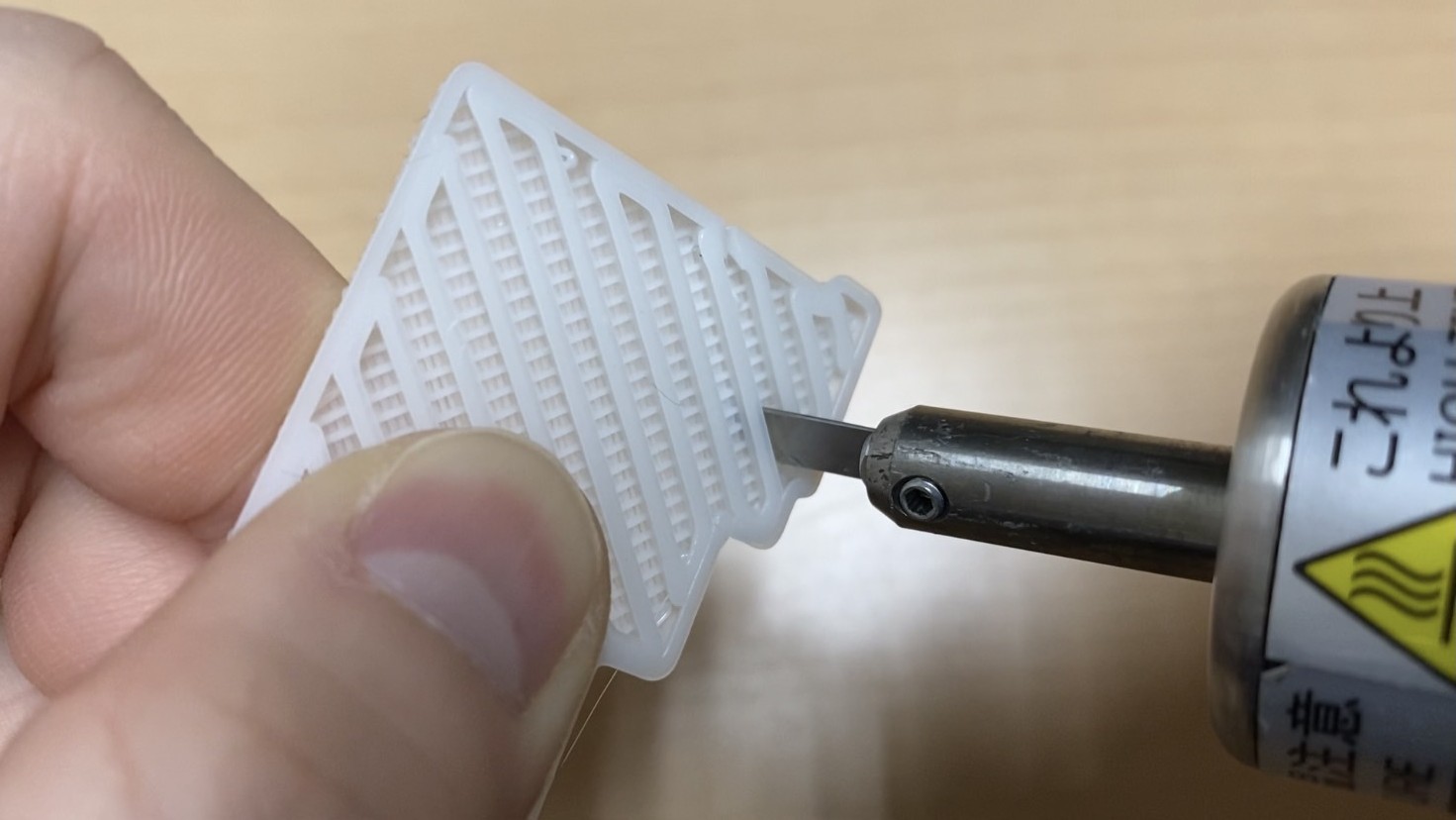
ASA
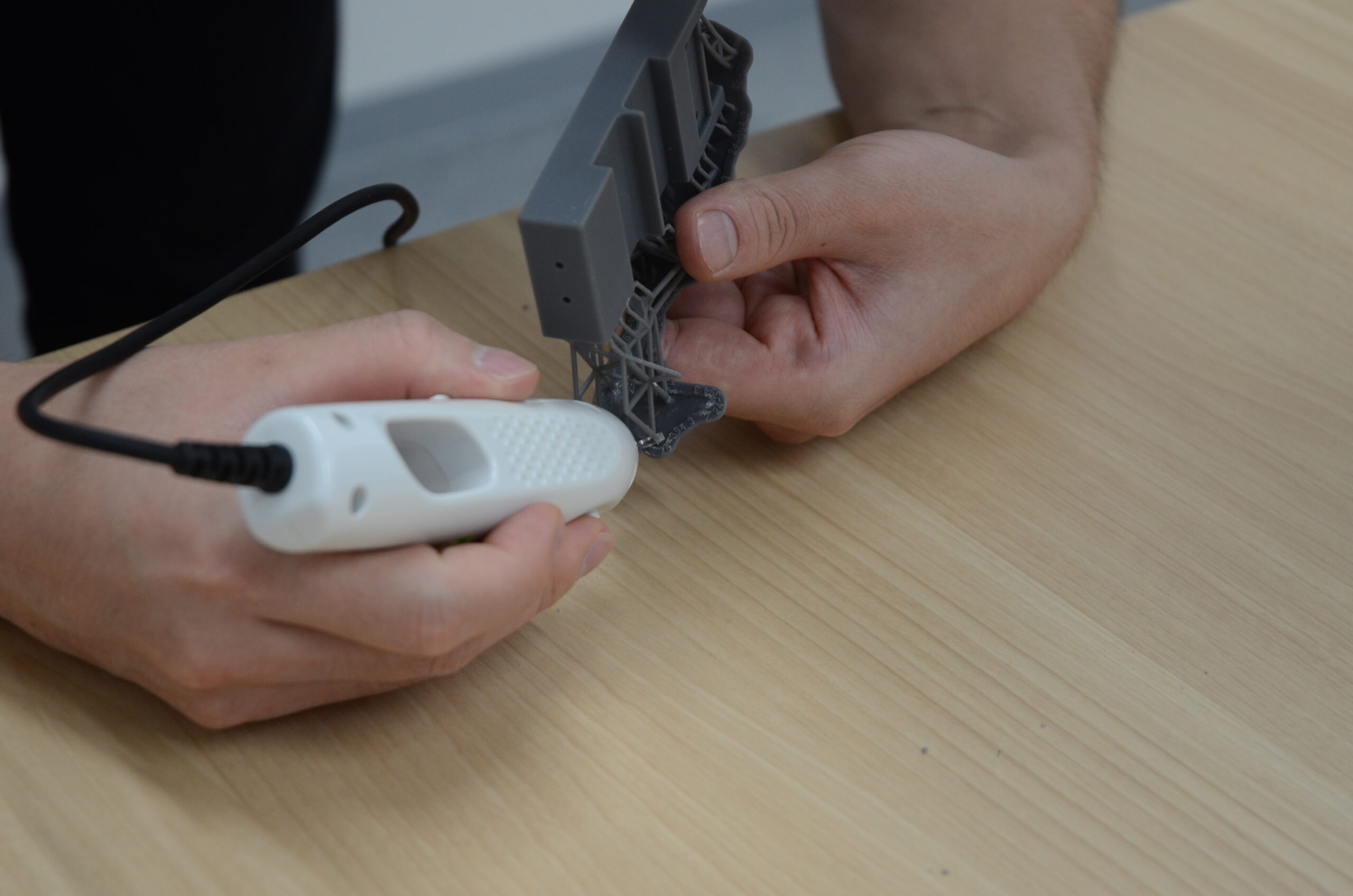
Support material removal is the one of most common application for ZO series 3D printers.
Unlike with nippers or spatulas, there is no need to apply force; support material is removed cleanly with minimal effort and time.
Cutting close to the base ensures a clean cut, leaving no burrs and preventing fragments from scattering.
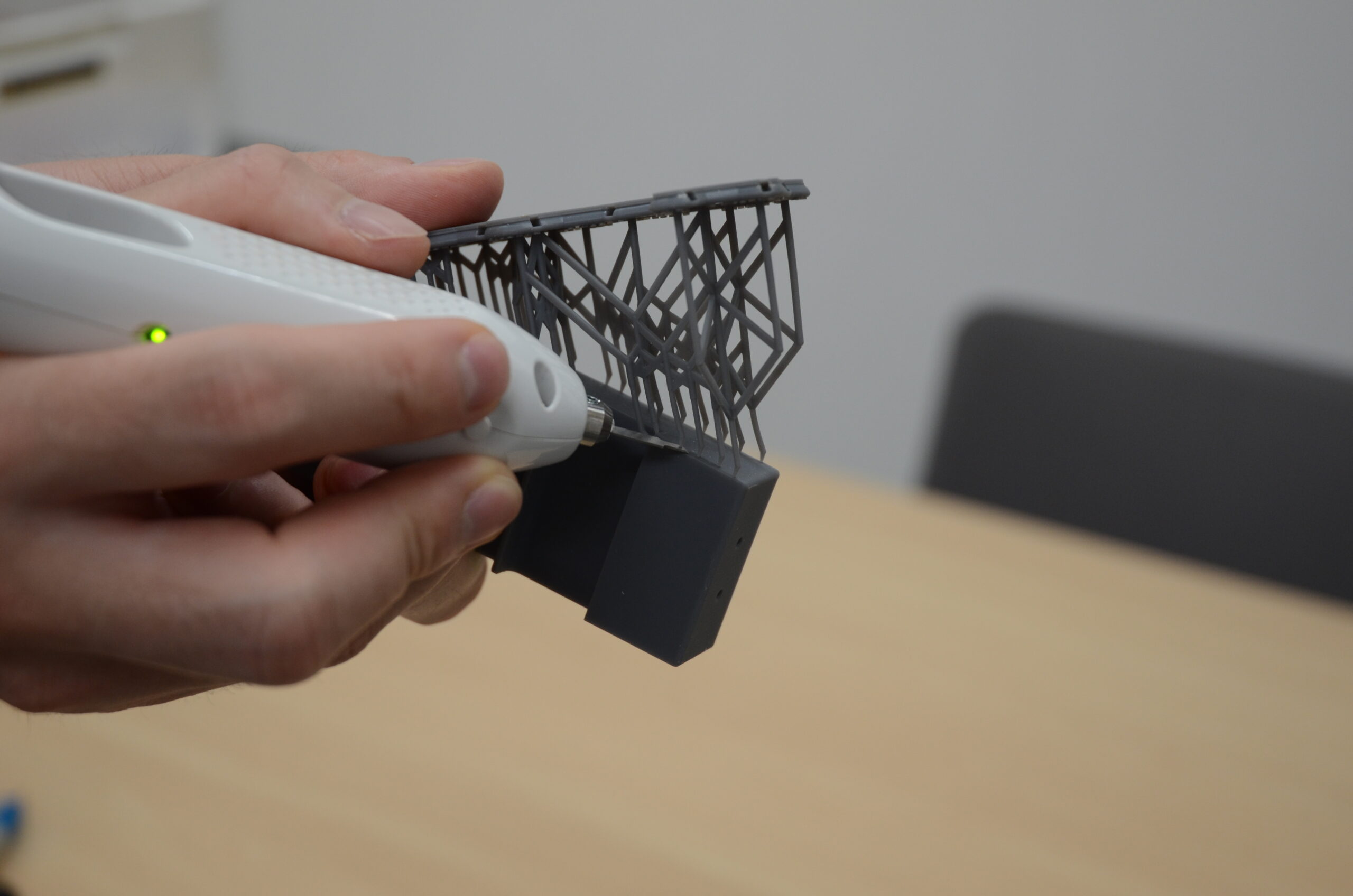
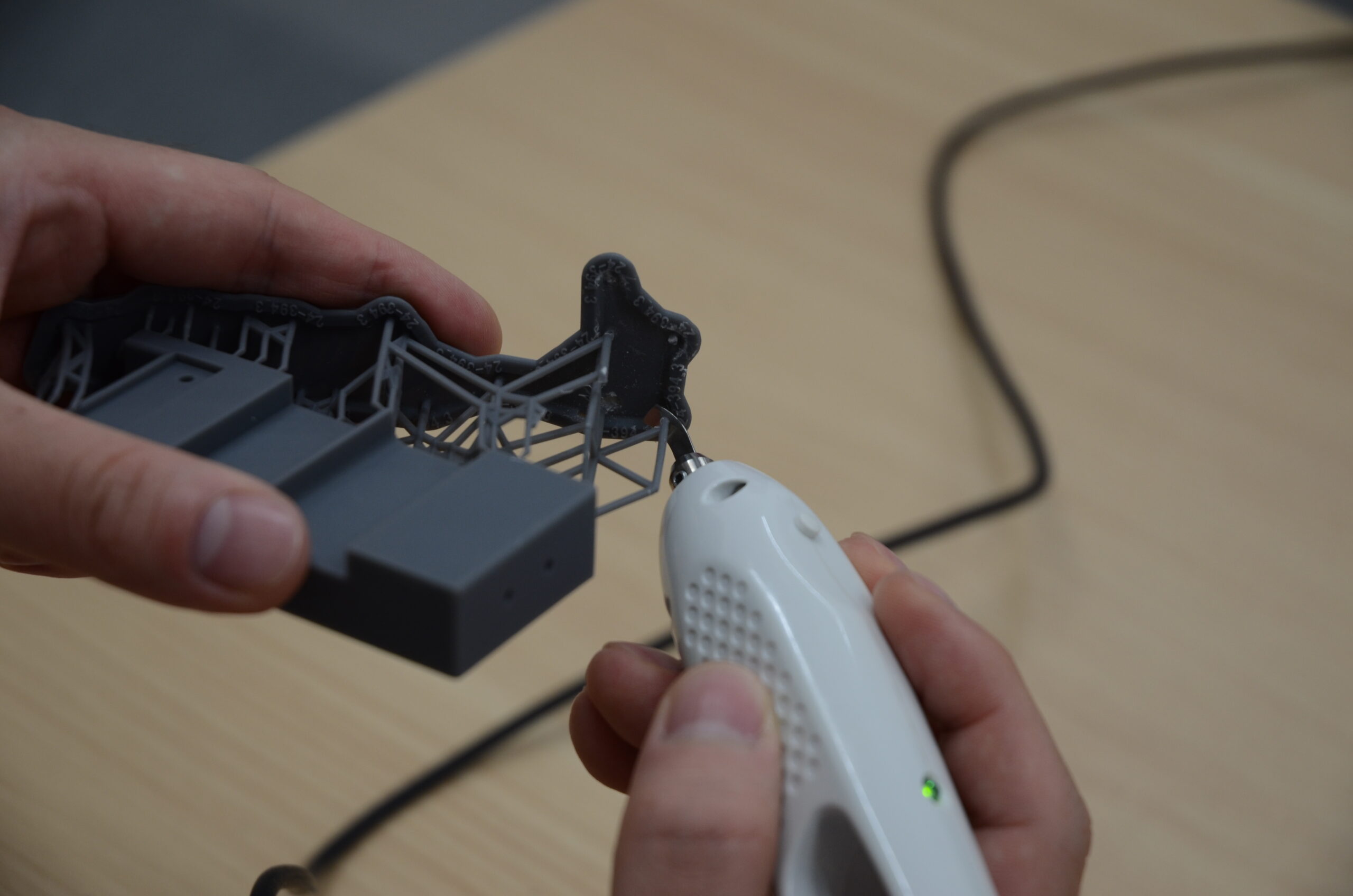
Resin
It is effective even on hard materials like resin (stereolithography) and allows for easy cutting.
While cutting is possible using the Standard blade HA04, if the angle proves difficult, using Flat blades ZH05A, ZH06A or Curving blades ZH03, ZH18, ZH19, ZH20 will solve the issue.
Removal of burr
Resin
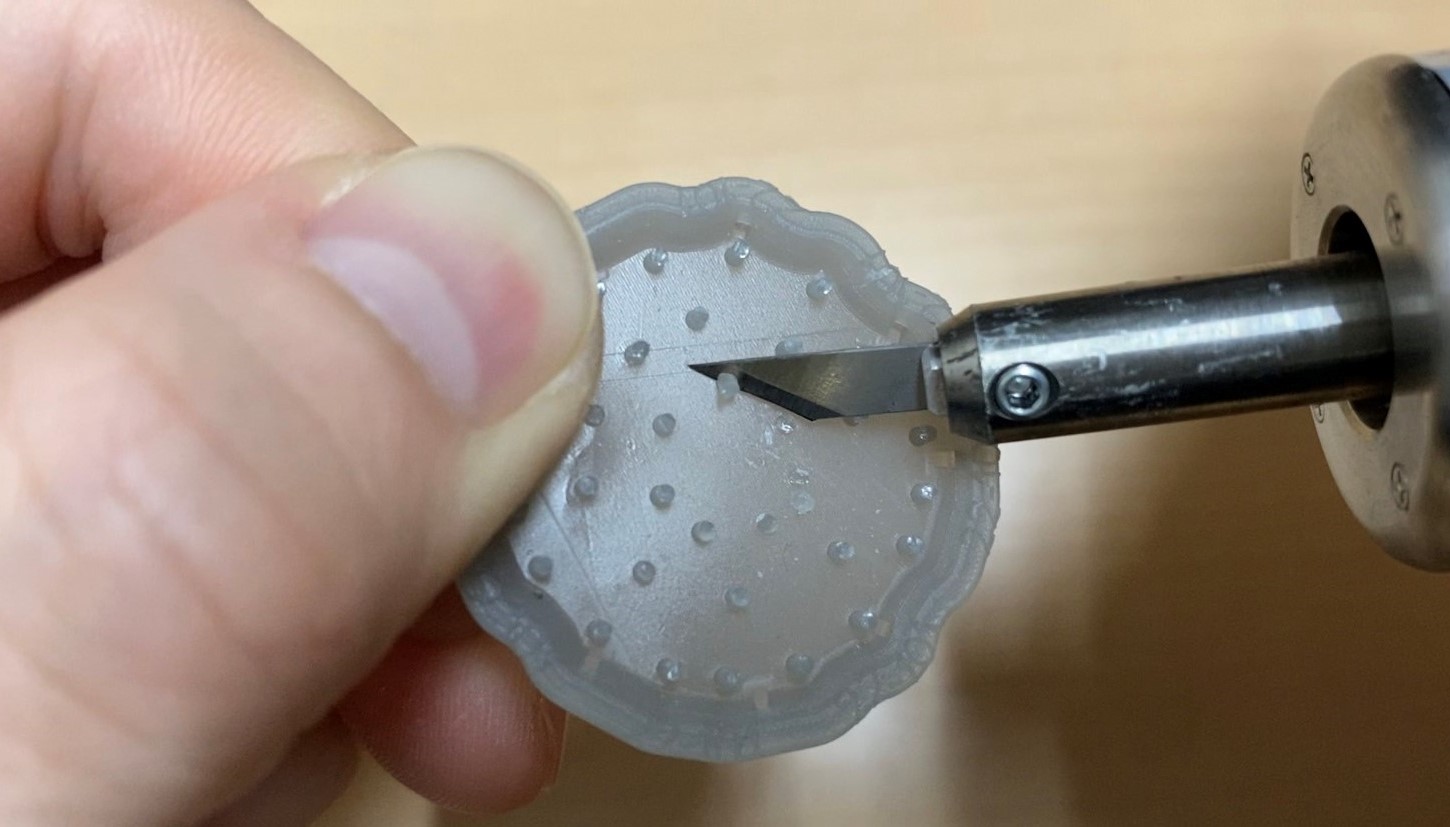
Easily remove burrs remaining on flat surfaces.
Using the Flat blades ZH05A, ZH06A or Curving blades ZH03, ZH18, ZH19, ZH20 allows you to remove burrs cleanly and at an angle without damaging the workpiece.
Body cut
ABS
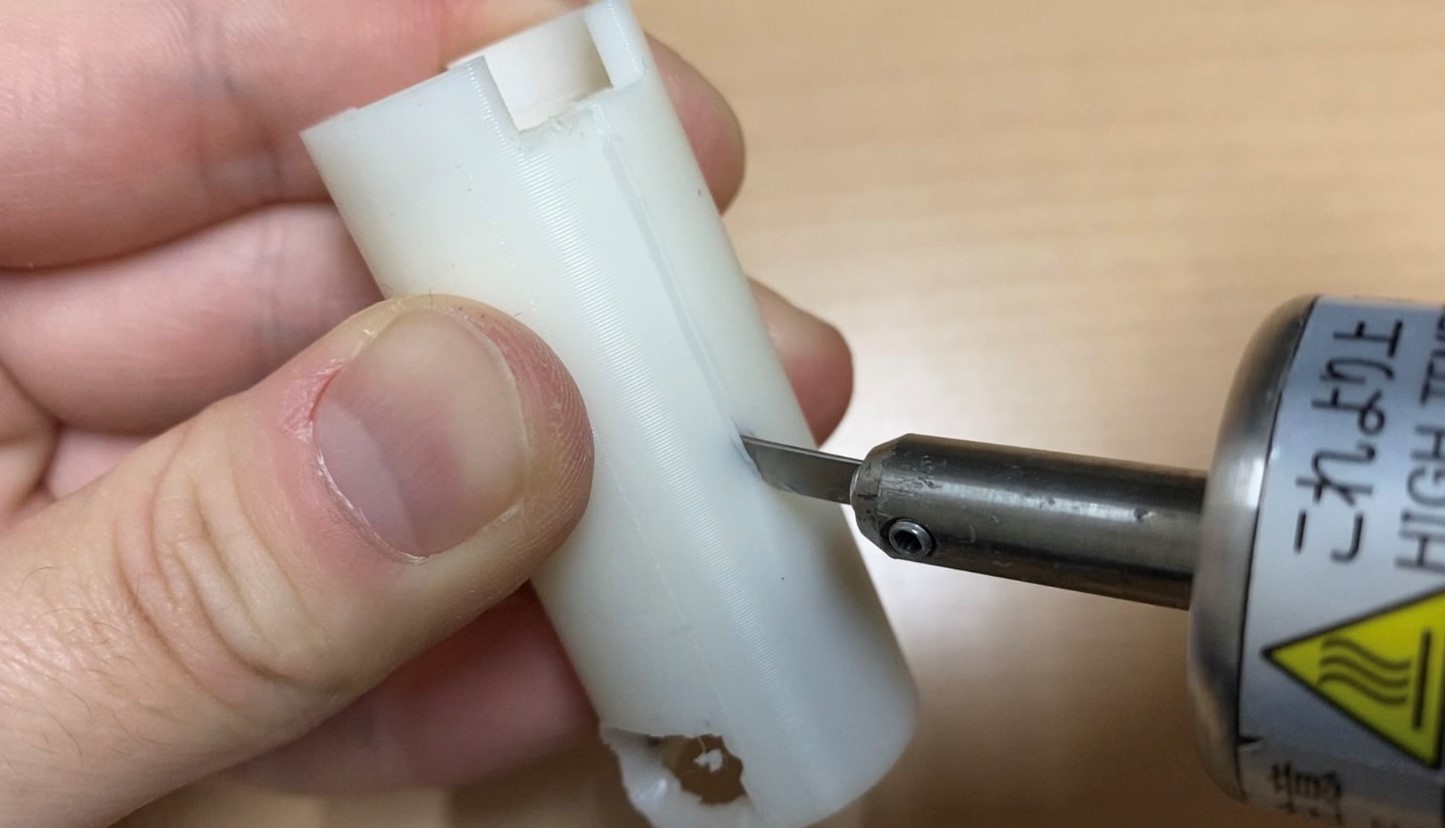
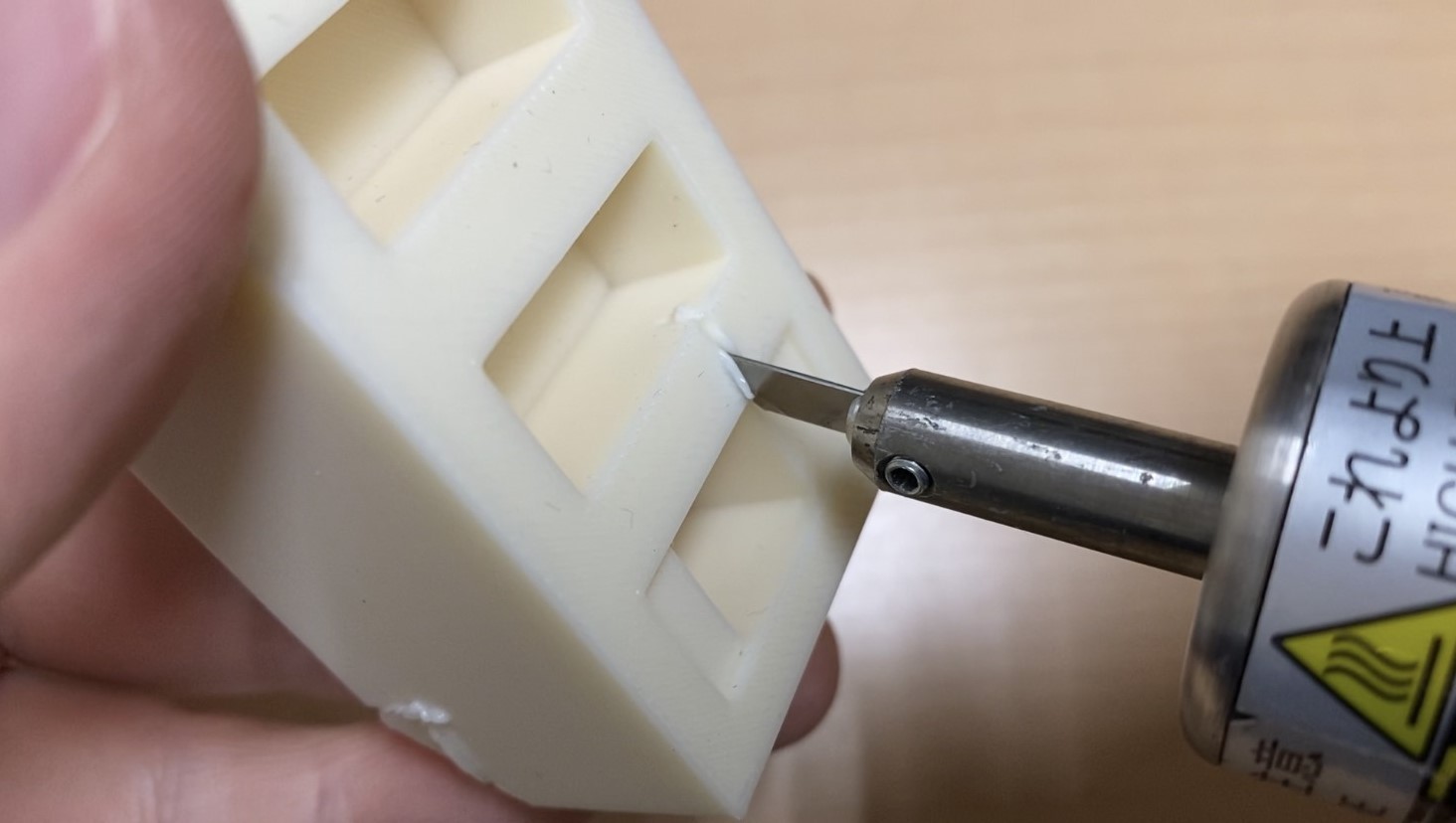
With layer-based 3D printers (using materials like ABS or PLA), cutting can be started from any point. Long blade ZH10 and Square blade ZH41 are recommended if the thickness is 3 mm or more.
With resin-based stereolithography (SLA) systems, the outer shape can be shaved, and the Thin blades ZH14, ZH16 are suitable for surface cutting.
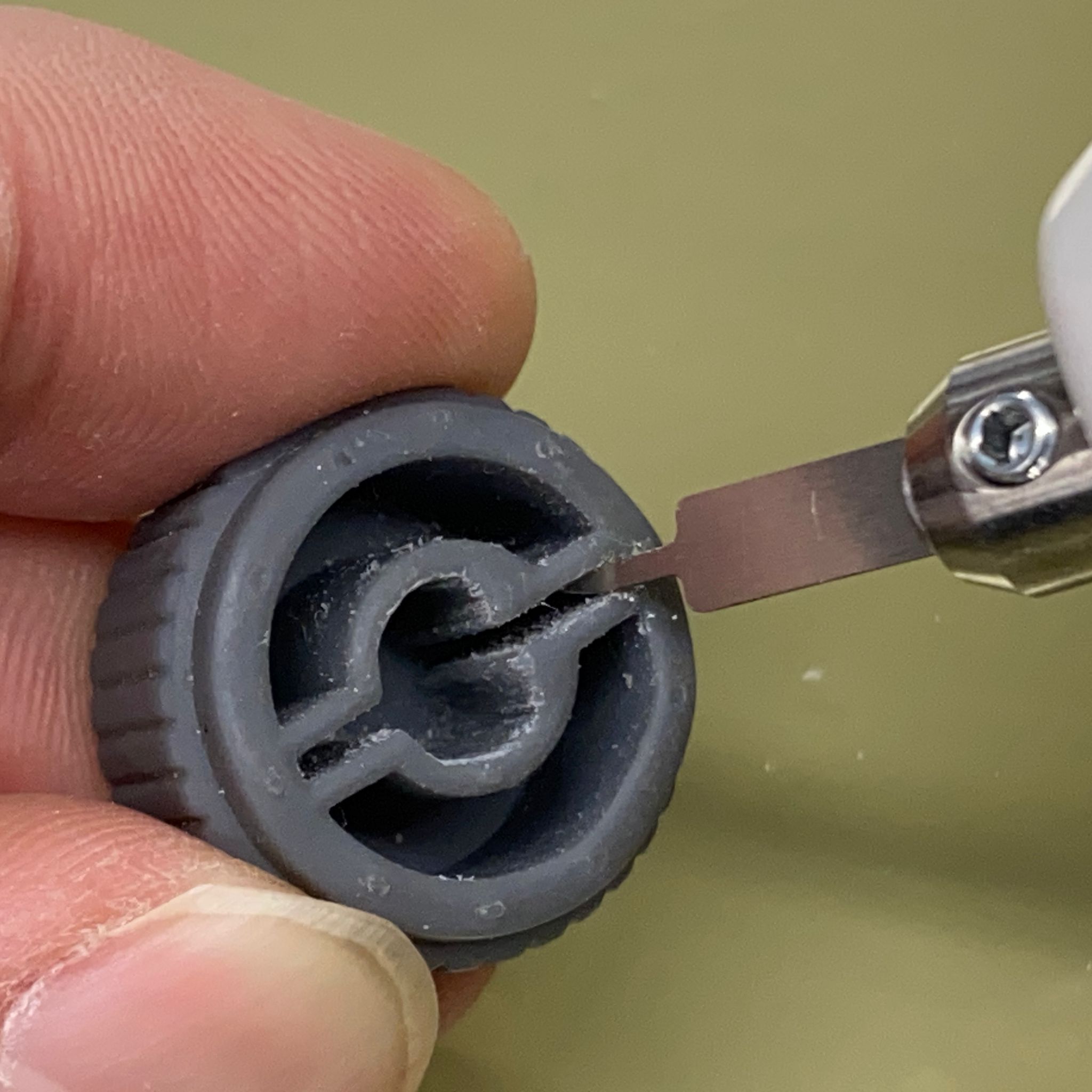
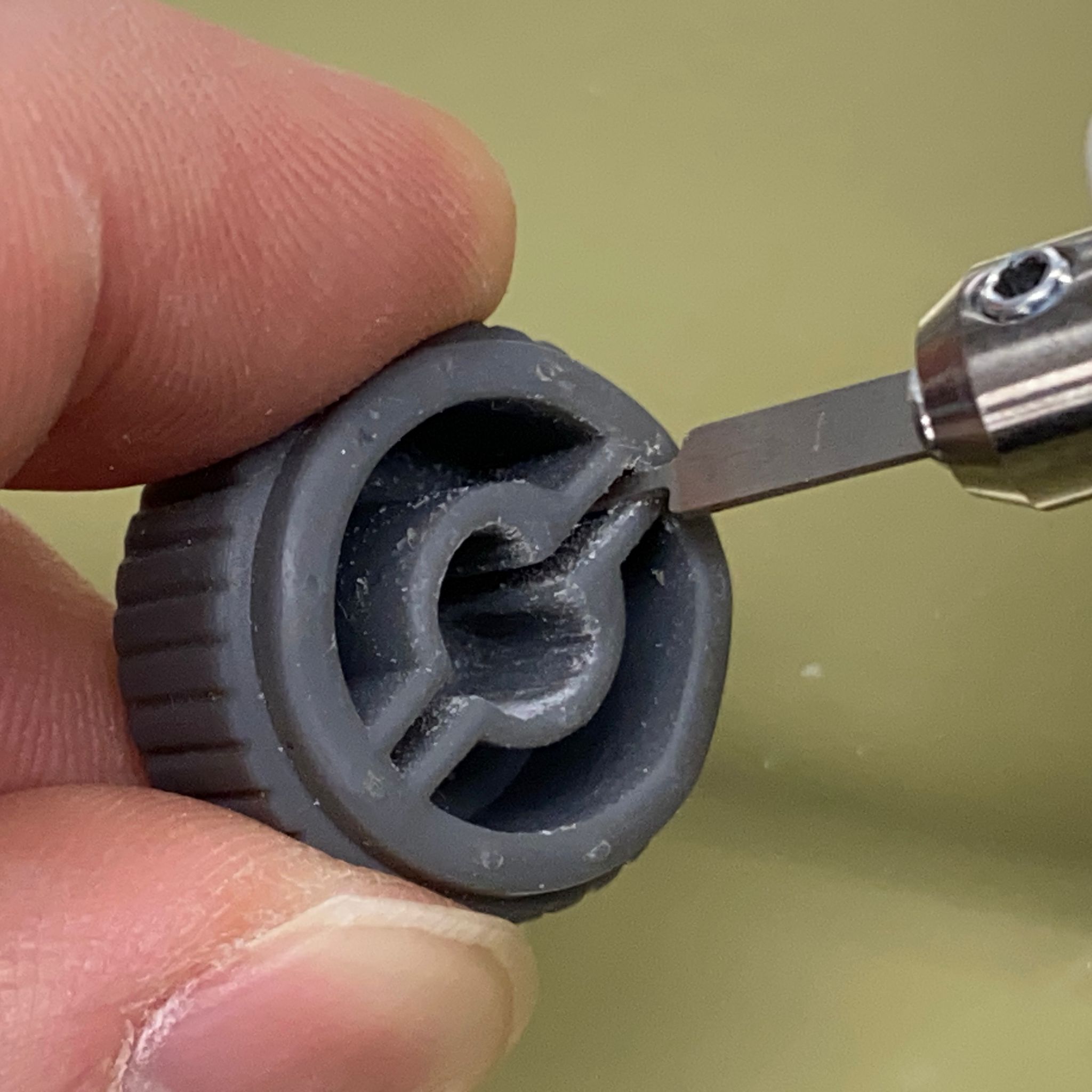
Resin
It is also possible to cut inside grooves by using a Square pyramid blade ZH12.
Resin surface polishing
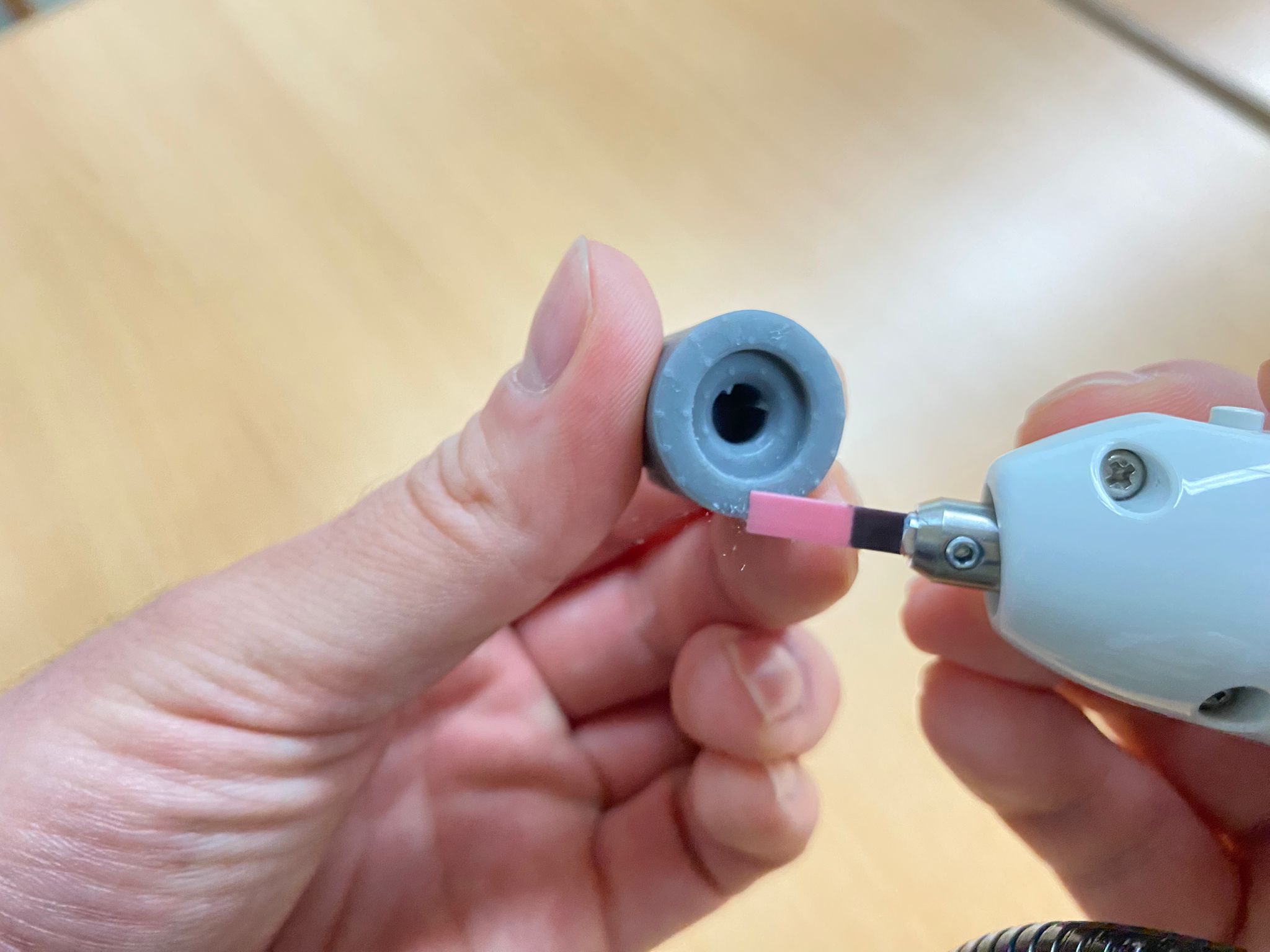
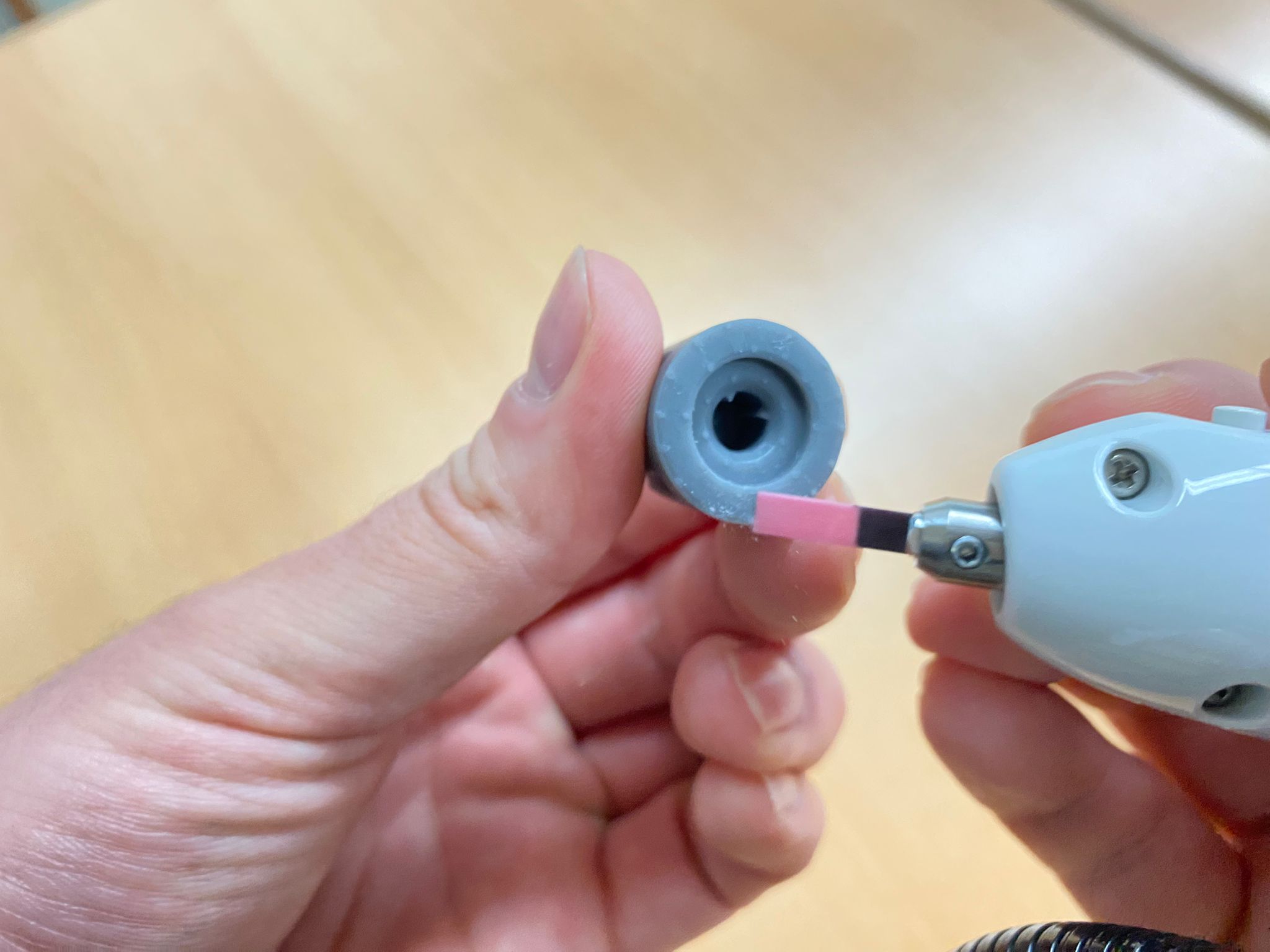
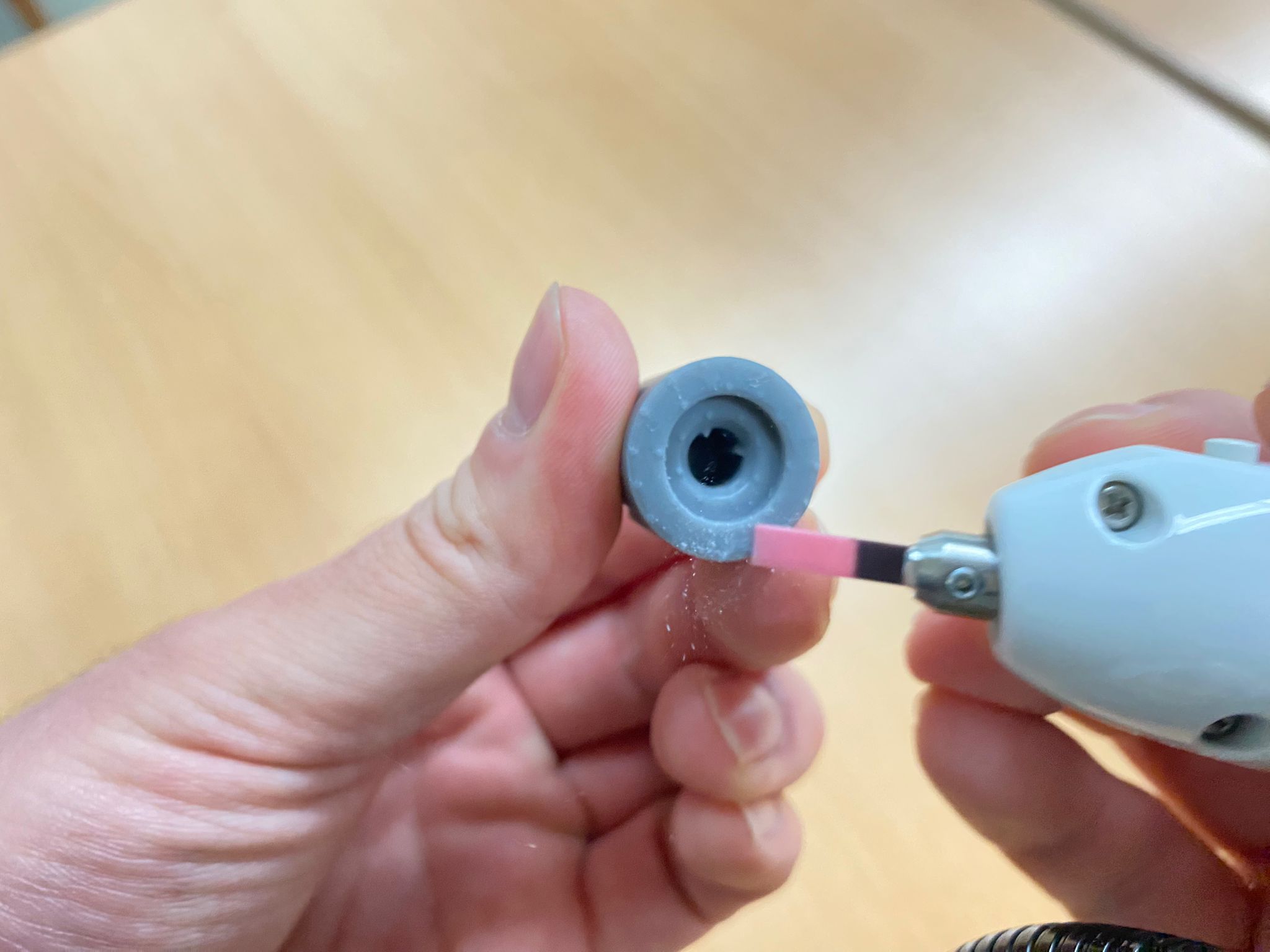
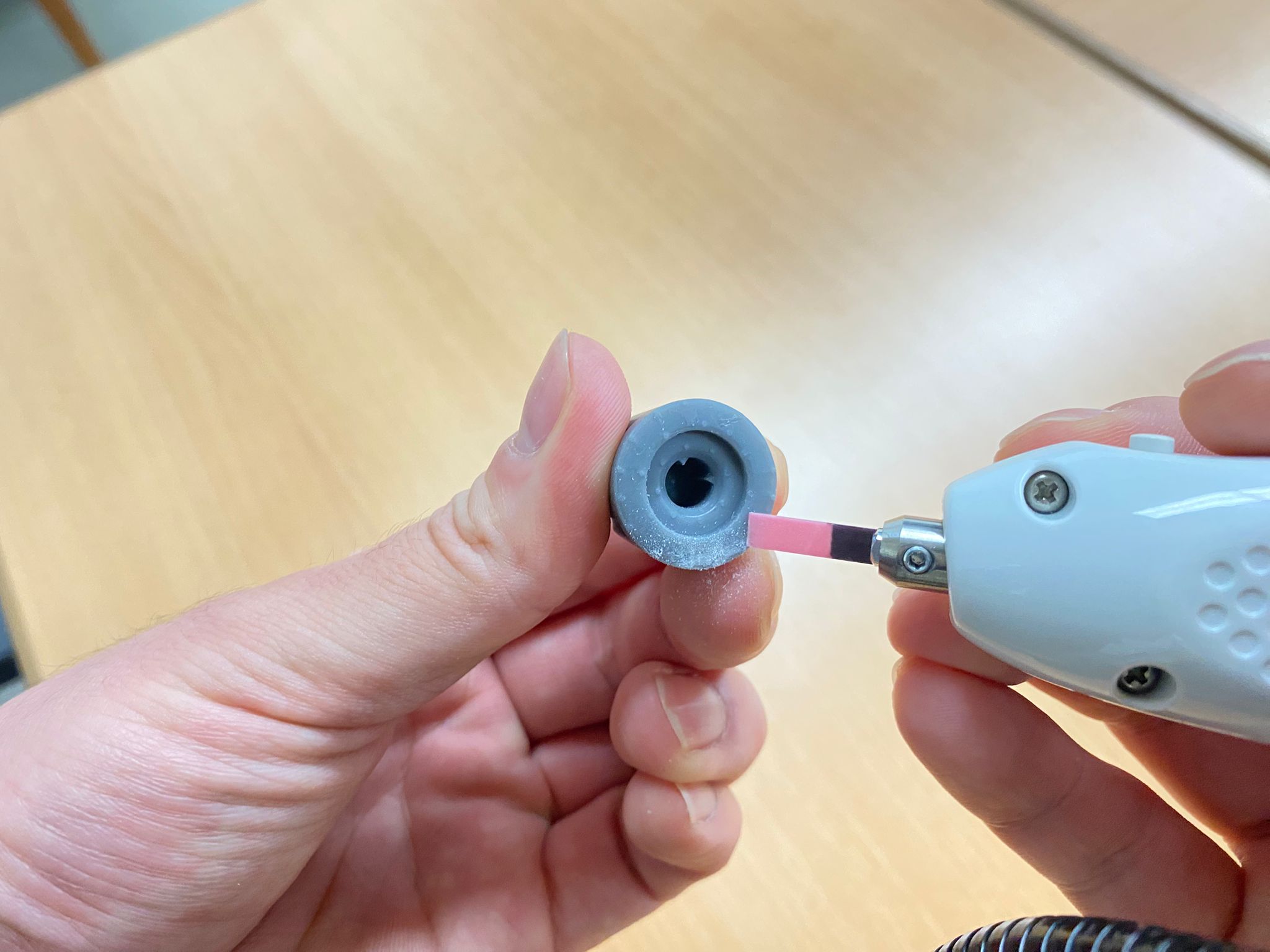
Grinding stone is used to polish the resin surface—leveling it, removing drawn designs, or adjusting the shape.
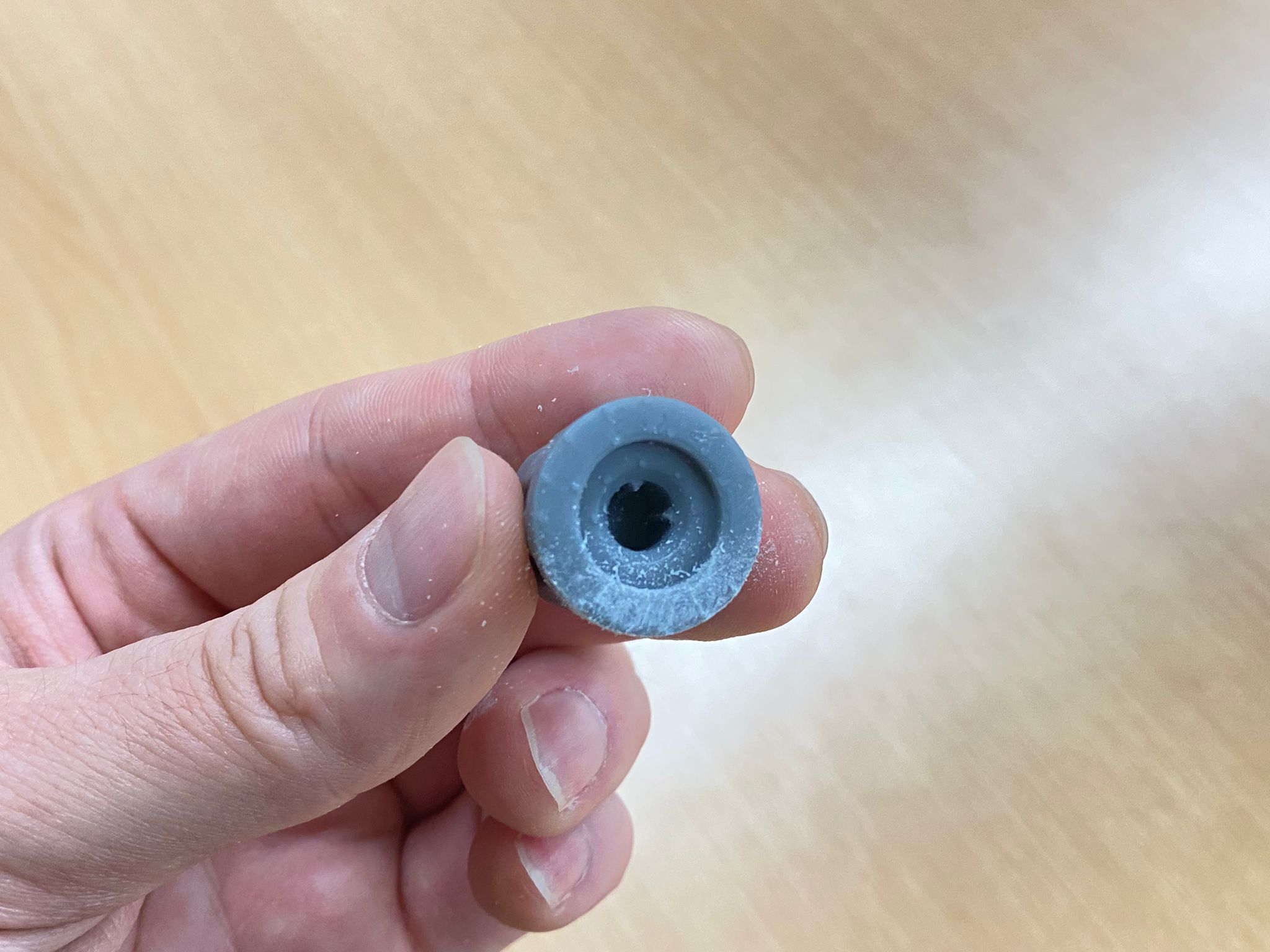
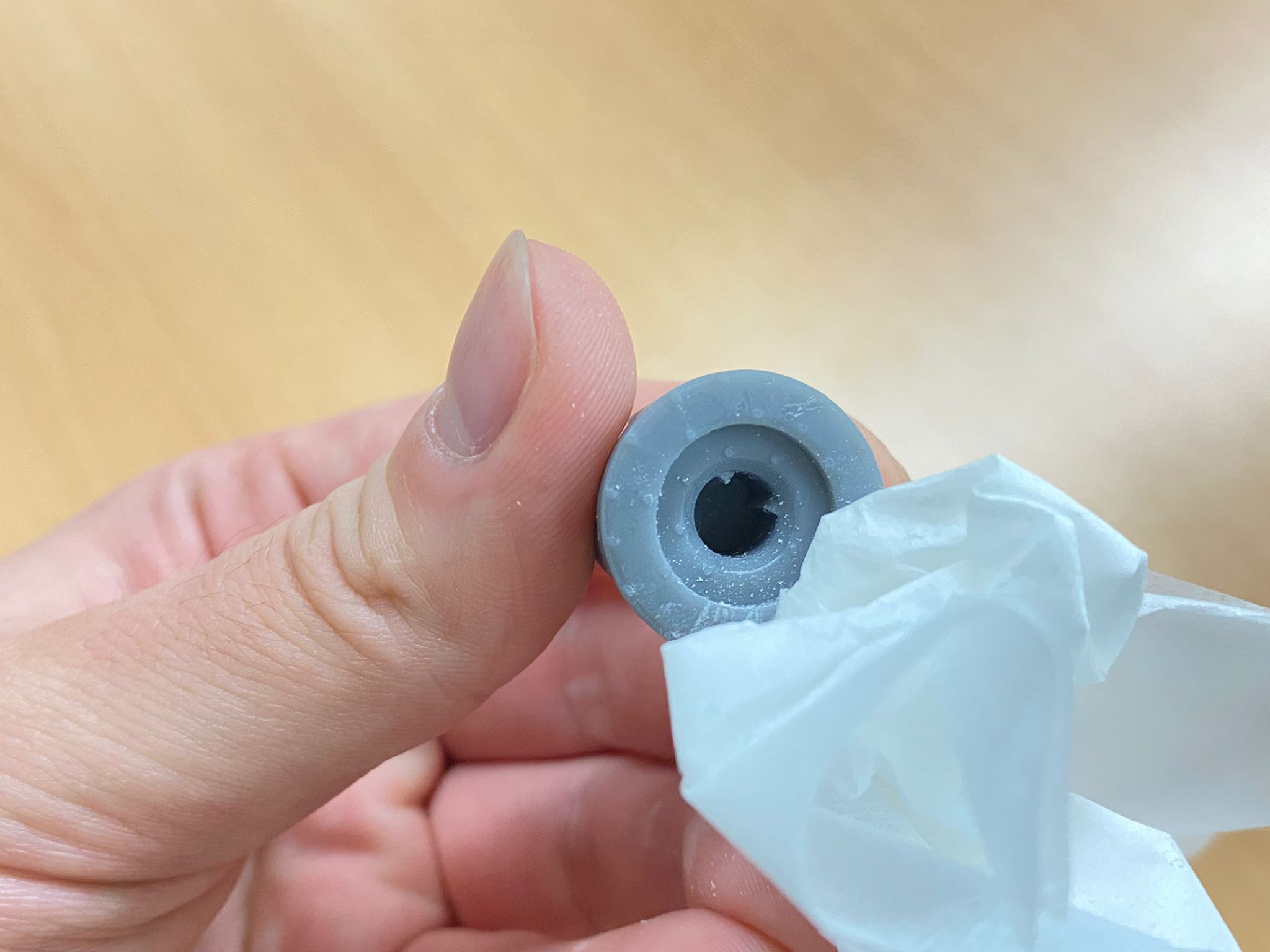
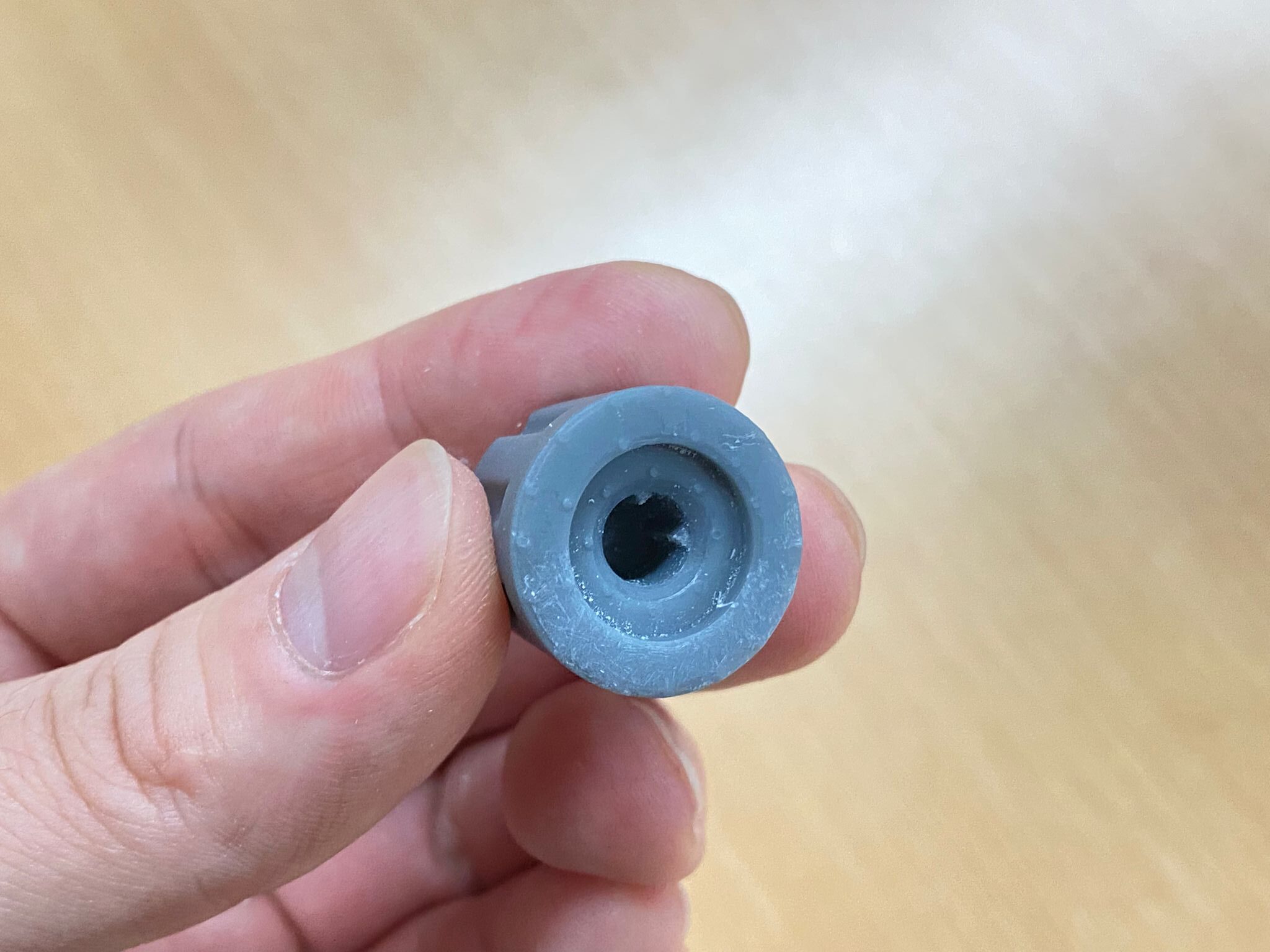
After polishing, the surface turns white due to the dust, so wipe it clean with a tissue.
Related Videos
投稿者プロフィール

